
Root Barrier Dallas
Dallas root barrier guides
How Blackland clay, cedar elms, HOA sidewalks, and bamboo actually behave — written for the lot you have.
Field notes from Dallas–Fort Worth lots: Blackland clay, cedar elm parkways, pecan laterals, Collin HOA walks, Park Cities oaks, Cross Timber post oak, Rockwall chalk. Each guide is tied to a city and a service so you can go from the article to the money page.
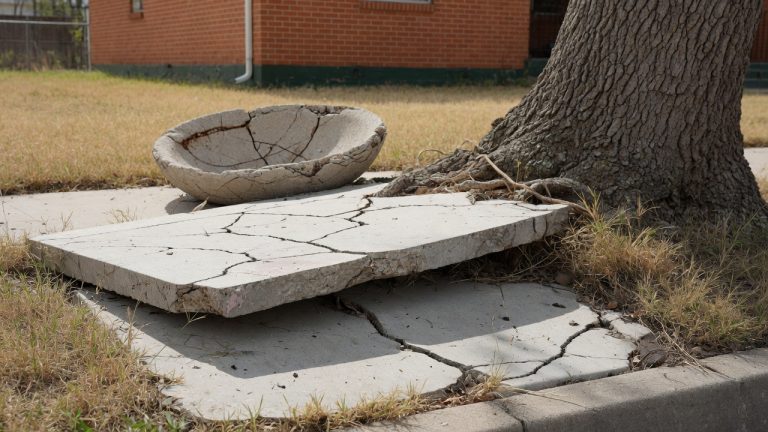
Why we pack Blackland in lifts
Dump spoil and the clay shrinks off the face. The next root uses the gap.
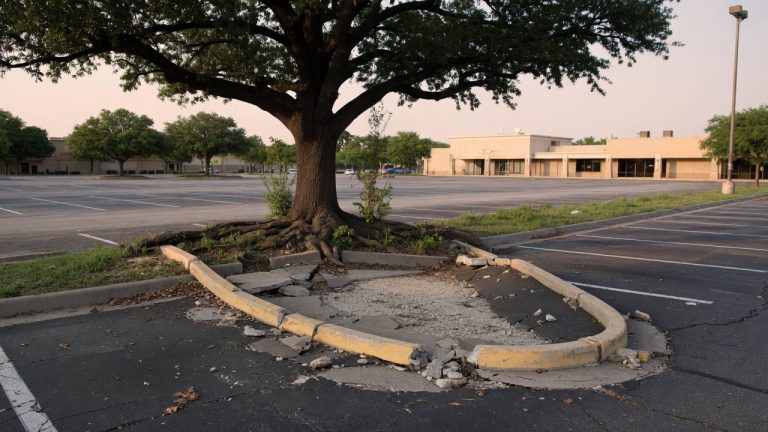
Collin irrigation keeps the top eighteen inches wet
May through September. Roots stay shallow. A wall tells them down and around.
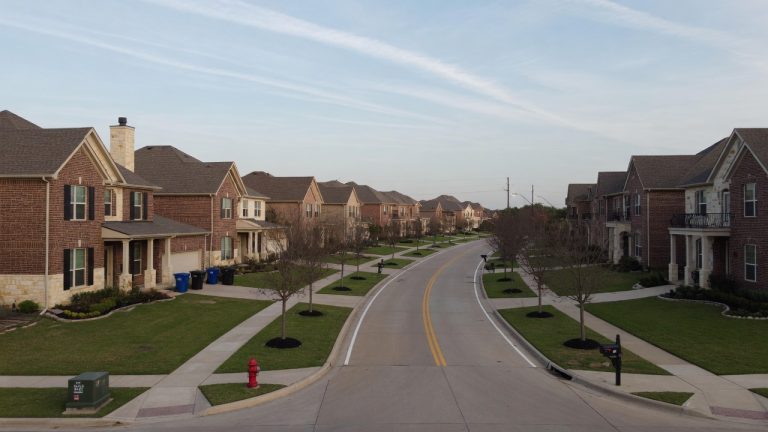
How we treat Oncor and Atmos marks
If the locate puts the line in the trench, we redesign. That is not a delay we apologize for.
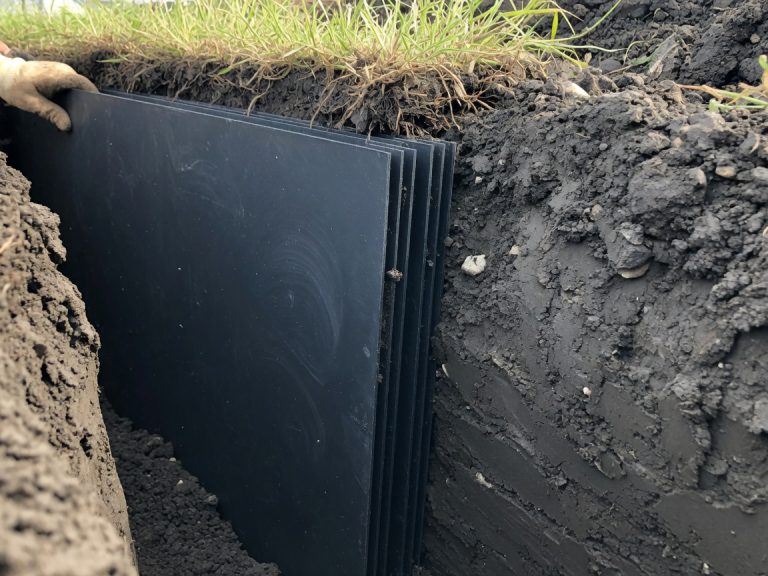
Dallas Uptown infill slabs in old drip lines
New beam, old plate. Prune, panel, keep what canopy is left.
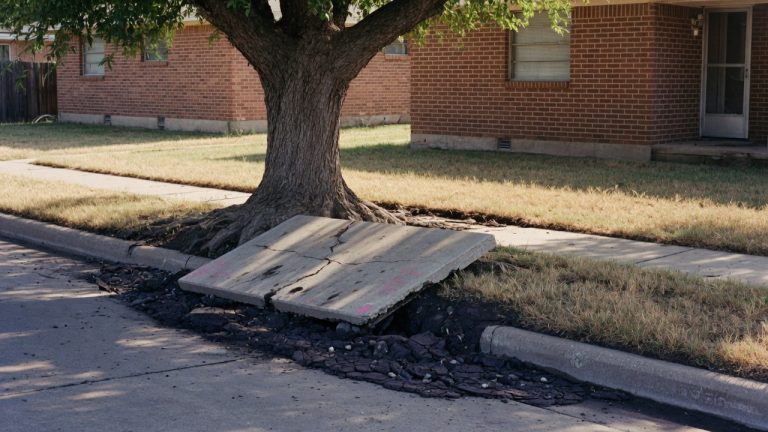
Fort Worth TCU lots are tight
Small lots, pecans, original laterals. Isolation on the beam line.
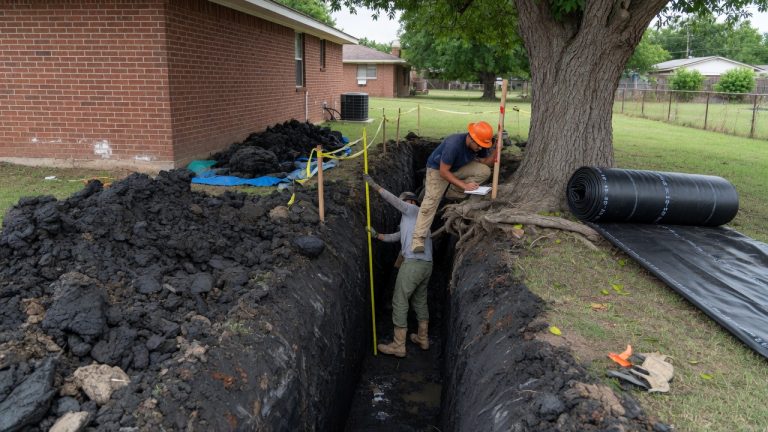
Rockwall Harbor plus chalk ridge
Lake-view decks and Austin Chalk cuts. Walk the lot.
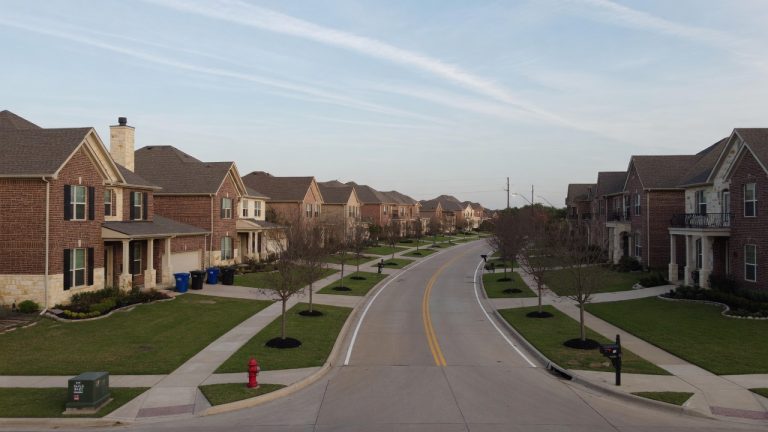
Rowlett downtown versus the lake
Inland clay walks. Hubbard decks. One city, two moisture stories.
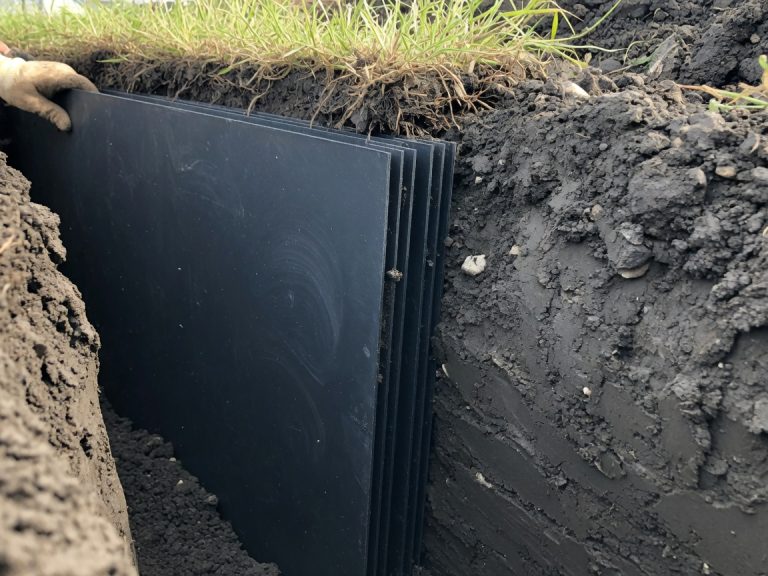
Garland Duck Creek lots stay wetter
North Garland shares a clay story with Richardson. Creek lots stay shallower.
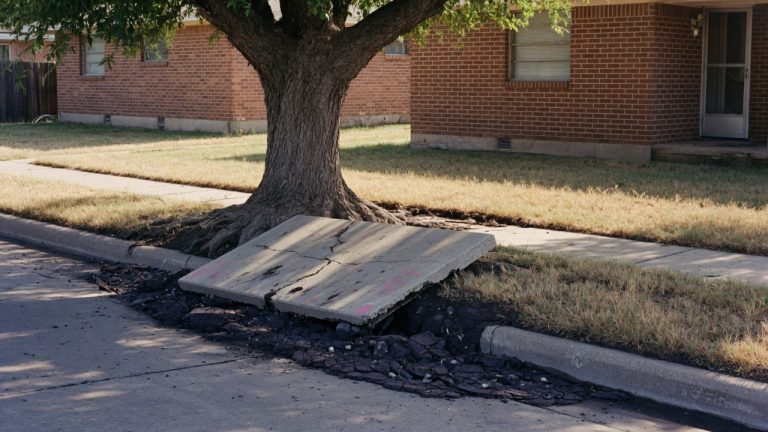
Arlington lake lots keep surface roots active in August
Lake Arlington cypress. Viridian is the HOA walk. Drain the tree side.
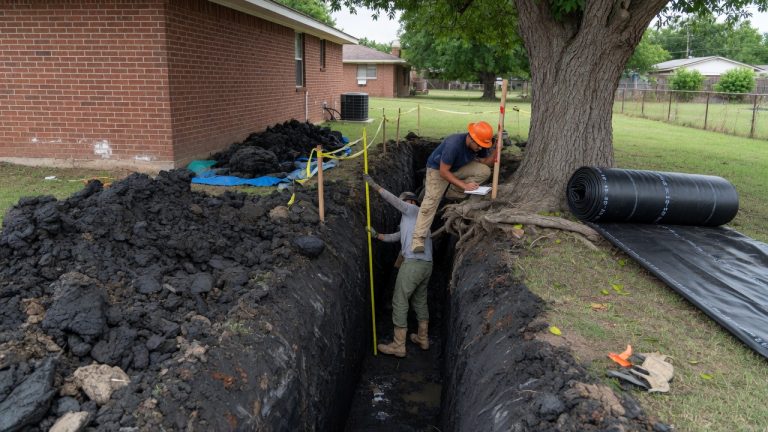
South Irving still has pecans on original laterals
Las Colinas is islands. South of 183 is pipe. Same city name, two trenches.